Household Fire Hazards: Identify Risks and Help Protect Your Home
Fire safety is something most of us learned early, long before we owned homes or paid utility bills. Fire is hot. Matches aren’t toys. And if you’re ever on fire, you stop, drop and roll.
With smoke alarms in place and a little common sense, it’s easy to feel like any household fire would have to be an extreme or random event. But according to the National Fire Protection Association (NFPA), US fire departments respond to an average of more than 328,000 home fires each year. 1 While fire safety has improved significantly over the past century, many homes still have gaps in detection.
Be prepared
Being prepared isn’t the same thing as being worried. It just means acknowledging that no single device or habit carries the whole load. A well-protected home is built on a layered approach, one that combines the right detection tools with habits, maintenance and awareness.
At Kidde, we design detection systems with real life in mind, helping protect you from you. That starts with understanding where household fire hazards tend to show up.
Key takeaways
Consider these few important points:
- Most home fires start with everyday activities, like cooking, electrical use and heating equipment.
- Fire hazards in the home exist throughout, including in kitchens, garages, basements and utility spaces.
- Better-protected homes rely on layered detection, combining reliable smoke and CO alarms with smart habits, regular maintenance and clear preparedness plans.
What are the most common fire hazards in the home?
The first step to whole-home detection systems is understanding what fire hazards in the home are. In order to take stock of the fire hazards in your home, it can be helpful to go through the habits and organizational methods of your home, room-by-room.
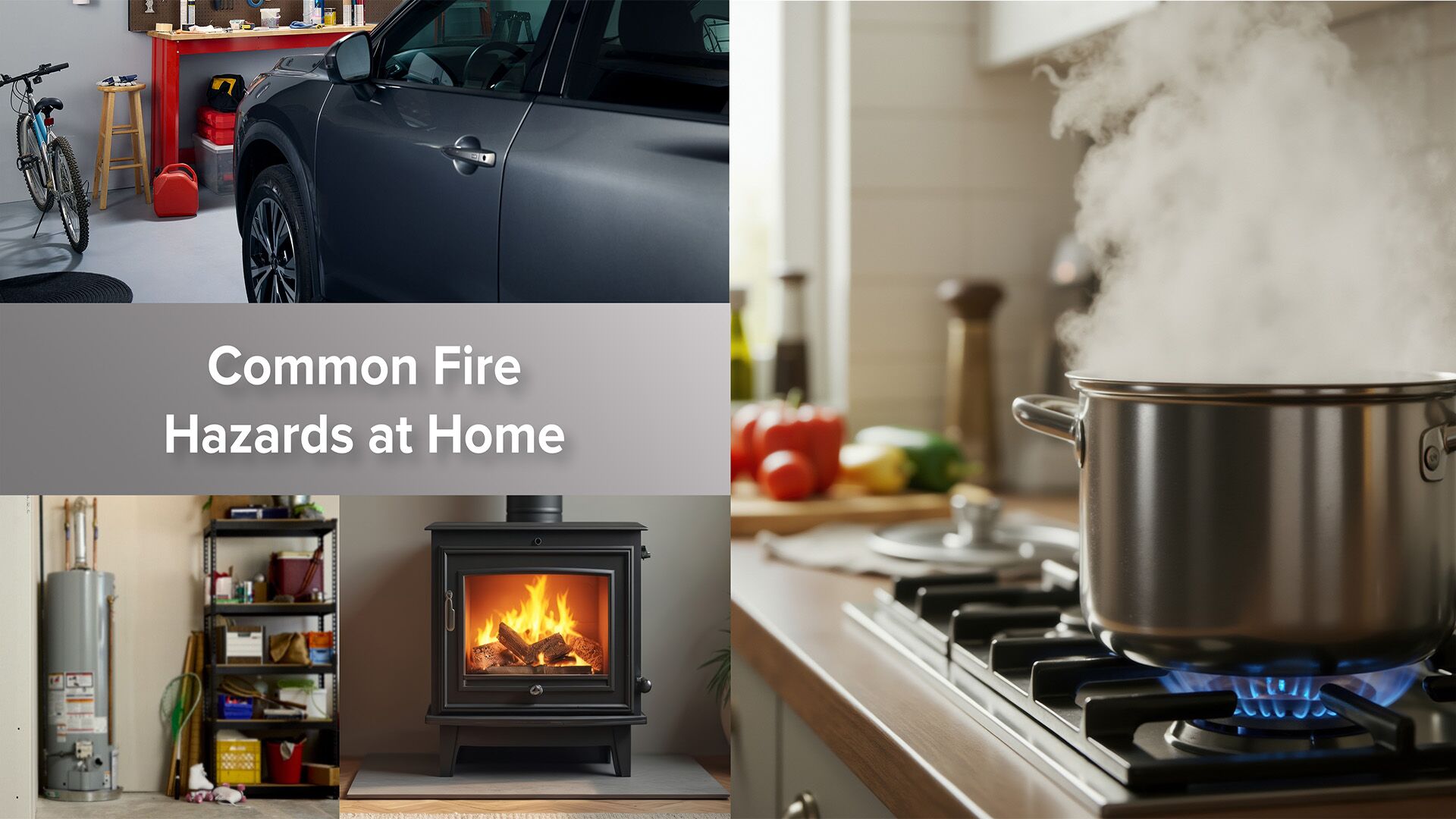
Kitchen Hazards
From 2019-2023, cooking hazards were the leading cause of home fires and injuries and remain the fire safety hazard most dangerous in a home. 2 Some of the most common kitchen fire risks include:
- Leaving cooking unattended. Stay in the kitchen when using stovetops or high-heat and turn off burners if you need to step away.
- Letting grease build up on stoves, ovens or range hoods. Grease is highly flammable and it only takes a small spark to ignite.
- Leaving flammable items too close to burners, such as dish towels or food packaging.
- Improper use or overheating of high-heat appliances, like toaster ovens or air fryers. Follow manufacturer instructions and avoid crowding or blocking ventilation.
Electrical hazards
Electrical issues can turn into fires faster than many people expect. In fact, fires related to electrical distribution are a leading cause of home fire property loss.3
Some of the biggest risks include:
- Overloaded outlets. Spread devices across multiple outlets and avoid plugging too many high-wattage items into one location.
- Damaged electrical cords. Replace cords or appliances showing cracking, exposed wires, looseness or heat damage. Cords cannot be safely repaired.
- Misuse of power strips or extension cords. Power strips and extension cords should only be used for low-wattage electronics and never for major appliances. Plug high-wattage appliances directly into wall outlets.
- Water near electrical components. Leaks don’t always stay where they start. Water can travel along walls or wiring and increase the risk of electrical shorts or fires if it reaches outlets, junction boxes or appliances.
Kidde prevention tip: Use surge protectors to help guard sensitive electronics against power spikes, especially in areas with frequent storms or older wiring.
Heating hazards
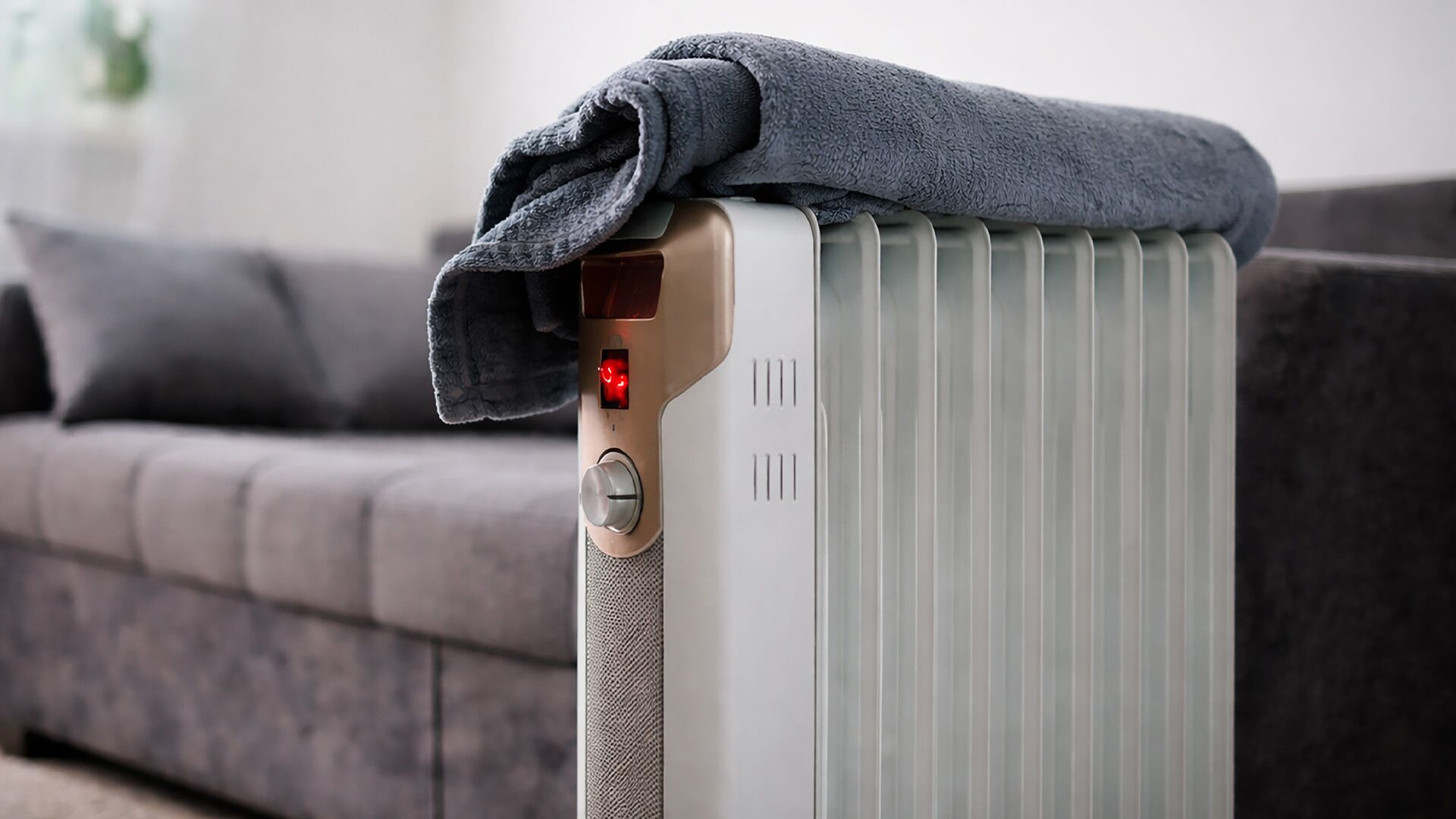
Home heating systems work hard in the winter, and that heat can introduce fire hazards in the home. *Extra care is needed when using or maintaining:
- Space heaters: Keep heaters at least three feet away from furniture, bedding, curtains, clothing and other combustible items. Always turn them off when leaving the room or going to sleep.
- Fireplaces: Chimneys and vents should be inspected and cleaned regularly to prevent buildup.
- Candles: Don’t leave these items unattended or near flammable materials. Extinguish them before leaving the room and always place them on stable, heat-resistant surfaces.
- Heat sources with inadequate clearance: Follow manufacturer spacing guidelines and never block airflow around heating equipment.
What additional fire hazards may exist in a home?
We often mentally prepare ourselves for fires in high-use, high-risk areas. But fires can also start outside of our main living spaces. While these incidents may be less common, they can be especially dangerous because smoke or heat may go unnoticed at first, giving a fire more time to spread.
Here are some additional household fire hazards that are worth paying attention to.
Garages
Although they may feel separate from the rest of the home, garages contain a high concentration of potential home fire hazards. Many households store vehicles, batteries, fuel containers, combustibles and power tools here, all of which can ignite under the right conditions.
Kidde prevention tip:
Store flammable liquids like gasoline, oil, paint, propane and varnishes in approved containers and, when possible, in a detached shed. Keep combustible items elevated and away from appliances, engines or electrical equipment that can generate heat or sparks.
Utility rooms and basements
Basements and utility rooms may feel cool, but they house some of the home’s most critical and potentially flammable systems. Furnaces, water heaters, laundry equipment and fuel-burning appliances can become home fire hazards if something malfunctions or maintenance is overlooked.
Kidde prevention tip:
Make sure these areas have working smoke alarms and carbon monoxide alarms that are interconnected with the rest of the home. Early detection is especially important when oil, gas, or wood burning equipment is present.
Everyday mishaps
Not all household fire hazards come from major appliances or systems. Many fires start because of everyday habits that don’t feel risky in the moment but can become dangerous under the right conditions.
Common examples include:
- Charging devices on soft surfaces, like beds, couches or pillows, can trap heat and damage batteries.
- Dryer lint buildup in lint traps, vents or ducts can ignite when airflow is restricted.
- Improper storage of flammable items, such as cleaning supplies, aerosols or solvents kept near heat sources.
- Decorative lighting, especially damaged cords or lights not designed for long-term or indoor use.
- Heat-producing personal appliances, like hair straighteners or curling irons, can reach high temperatures and pose a fire risk if left plugged in, unattended or placed on flammable surfaces.
- Smoking materials or embers that aren’t fully extinguished before being discarded.

How can I help protect my home from fire hazards?
You don’t have to think about fire safety all the time to keep your home secure. Understanding common home fire hazards helps you protect what matters most. And when you build these simple practices into your routine, reducing risk and staying prepared becomes second nature.
Daily habits
Many home fires start during ordinary activities, which makes daily awareness one of the most powerful prevention tools.
- Stay present when cooking, charging devices or using heating equipment.
- Avoid multitasking during high-heat or high-power activities.
- Turn appliances off promptly when you’re finished using them.
- Keep an eye out for anything that smells hot, overheats or behaves unusually. ### Home set up A few thoughtful home setup choices can help prevent household fire hazards from forming in the first place.
- Keep heat sources clear, maintaining proper clearance around stoves, heaters, fireplaces and candles.
- Use electrical cords and outlets as intended, avoiding overloaded outlets or extension cords for large appliances.
- Store flammable materials away from heat-producing equipment.
- Choose lighting, chargers and appliances that are appropriate for the space and usage. ### Maintenance Routine maintenance reduces the buildup of home fire hazards over time. It’s important to keep systems clean, functional and up-to-date.
- Clean dryer lint traps after every load and check vents and ducts regularly.
- Keep areas behind and underneath appliances free of dust and debris.
- Inspect cords, outlets and appliances for signs of wear or damage.
- Replace aging equipment and alarms every 5-10 years. ### Preparedness Even in well-maintained homes, no system is perfect. Preparedness ensures that if a fire does occur, you’re alerted early and know what to do.
- Install smoke alarms in every bedroom, outside sleeping areas and on every level of the home.
- Test alarms monthly and replace batteries or units as needed.
- Keep fire extinguishers accessible in key areas like the kitchen, garage and basement. Practice a home fire escape plan so everyone knows how to exit quickly and safely.
- Nearly three out of five home fire deaths occur in homes where alarms were either missing or didn’t operate. 1 But choosing the right alarm and proper alarm placement matter just as much as having alarms at all. Installing smoke alarms on every level of the home and near sleeping areas helps ensure early warning when it matters most.
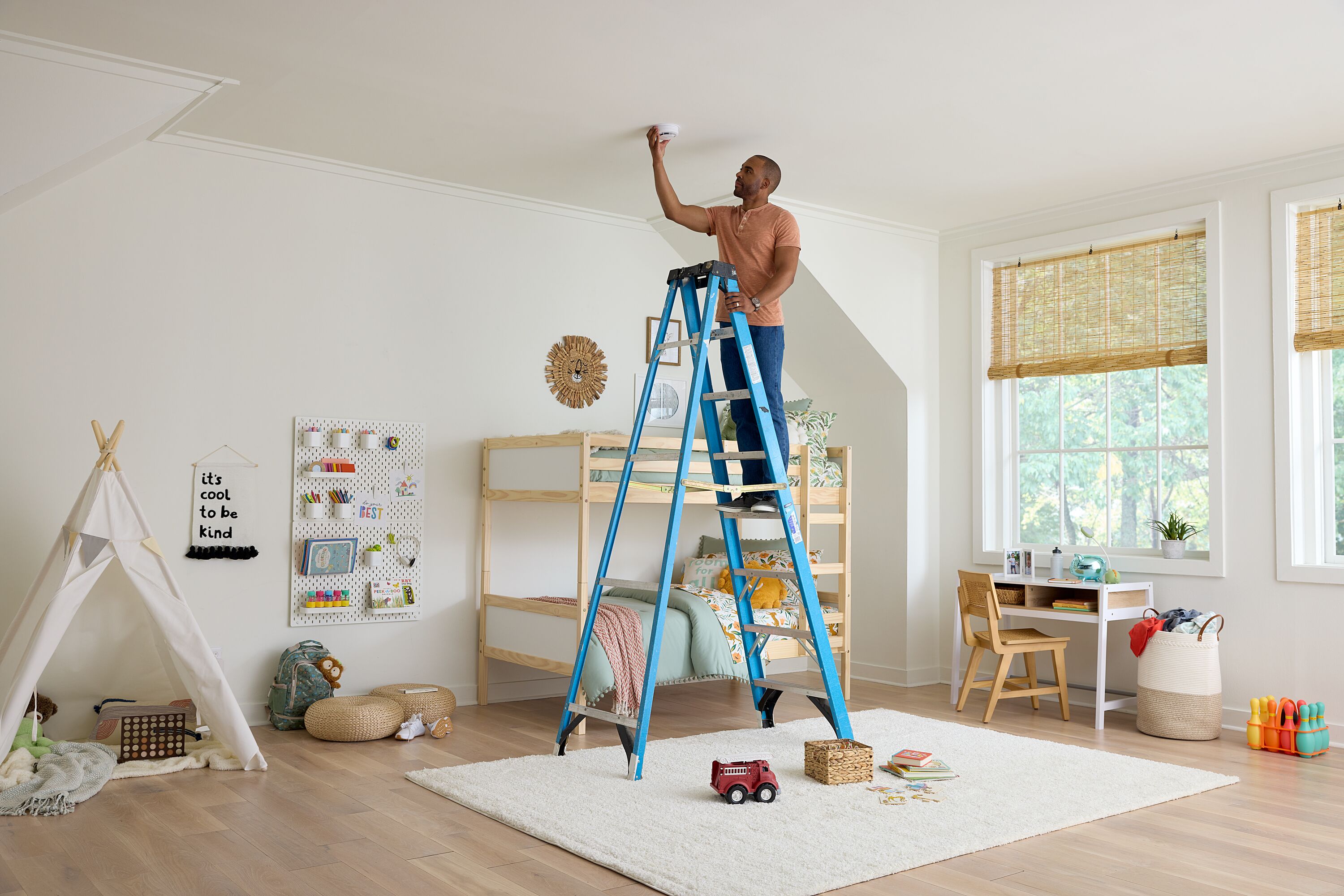
Consider developing a layered system of detection for your home: smoke and carbon monoxide alarms, including combination alarms for early detection, fire extinguishers for quick response and an ongoing maintenance routine that helps prevent emergencies from starting at all. Download our Fire Safety Checklist today for a family-friendly way to spot gaps in your home detection, build safer habits and come up with a safety plan together.
Related Products
Related Articles
Pet Fire Safety
Protecting your family also means protecting your pets. Learn how to practice pet fire safety in your home.
Where Does Carbon Monoxide Actually Come From?
Carbon monoxide (CO) is like that shady movie villain — lurking around when you least expect it. But where does it come from in the first place? It’s produced during fuel-burning processes, and there are several culprits that could lead to a dangerous buildup in your home.
Carbon Monoxide Comprehensive Guide
Learn more about carbon monoxide and find commonly asked questions about using CO alarms to help protect against this dangerous and potentially deadly gas.
Carbon Monoxide Dangers & Risks
Carbon Monoxide Dangers, carbon monoxide poisoning, carbon monoxide poisoning symptoms, carbon minoxide, carbon monixide, carbonmonoxide