Safer Camping Starts with a Few Smart Habits
Don’t let one small spark rewrite the whole trip.
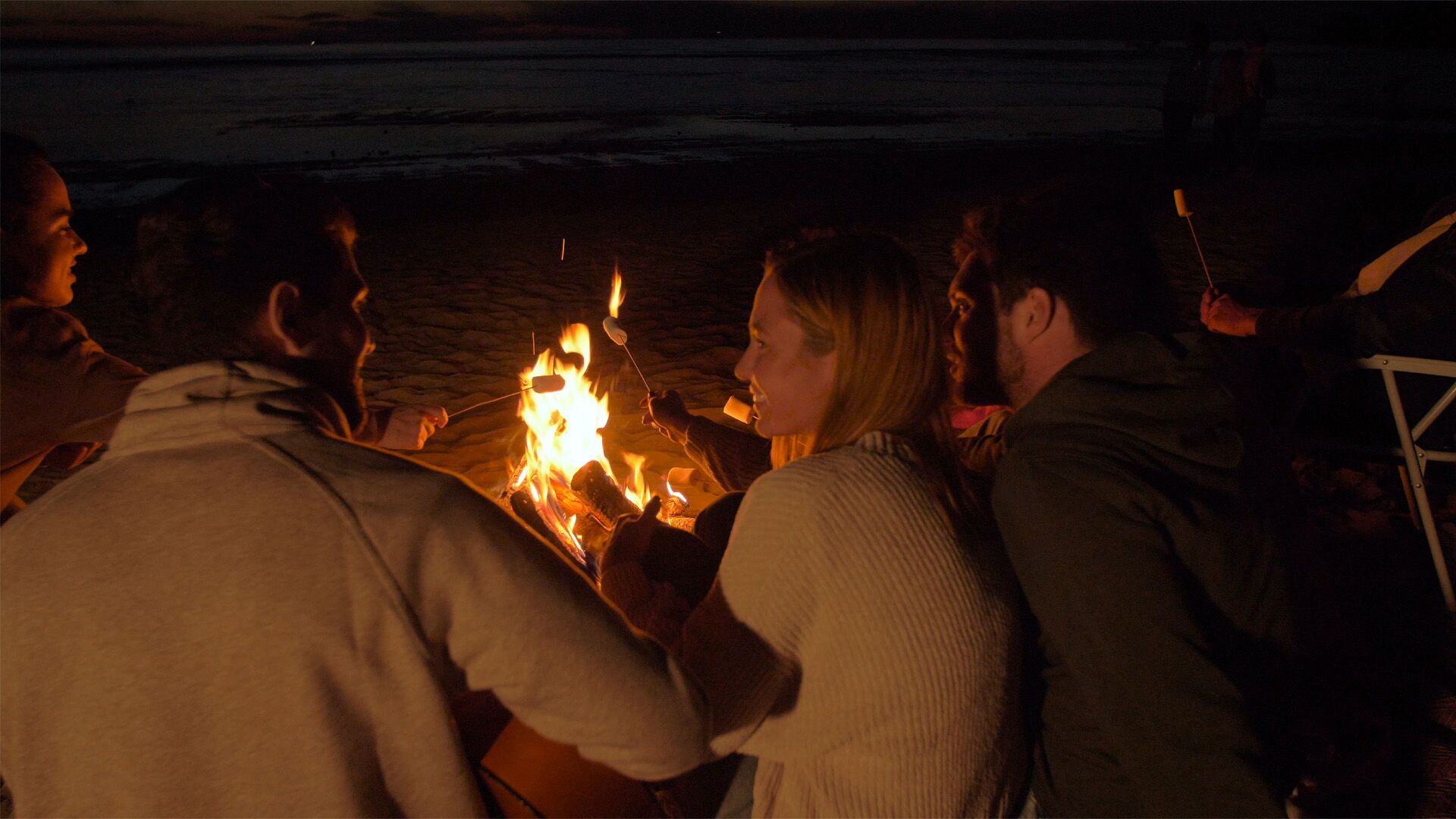
The campfire’s going and the air is mildly cool. Everyone’s passing around marshmallows and debating strategies for getting the fire blazing just right. Crickets are loud, the stars are out and it’s one of those nights you don’t want to end.
But all it takes is one missed step, like a spark landing in dry brush, a fire left alone for “just a minute,” or embers that looked out but weren’t — and things can change fast.
Campfires are the best part of camping. But a few smart habits — like having a reliable fire extinguisher on hand — can help keep them from becoming the reason everyone packs up early.
Set the Scene the Safe Way
Before you strike a match, take a minute to set things up right. Where and how you build the fire matters more than people think.
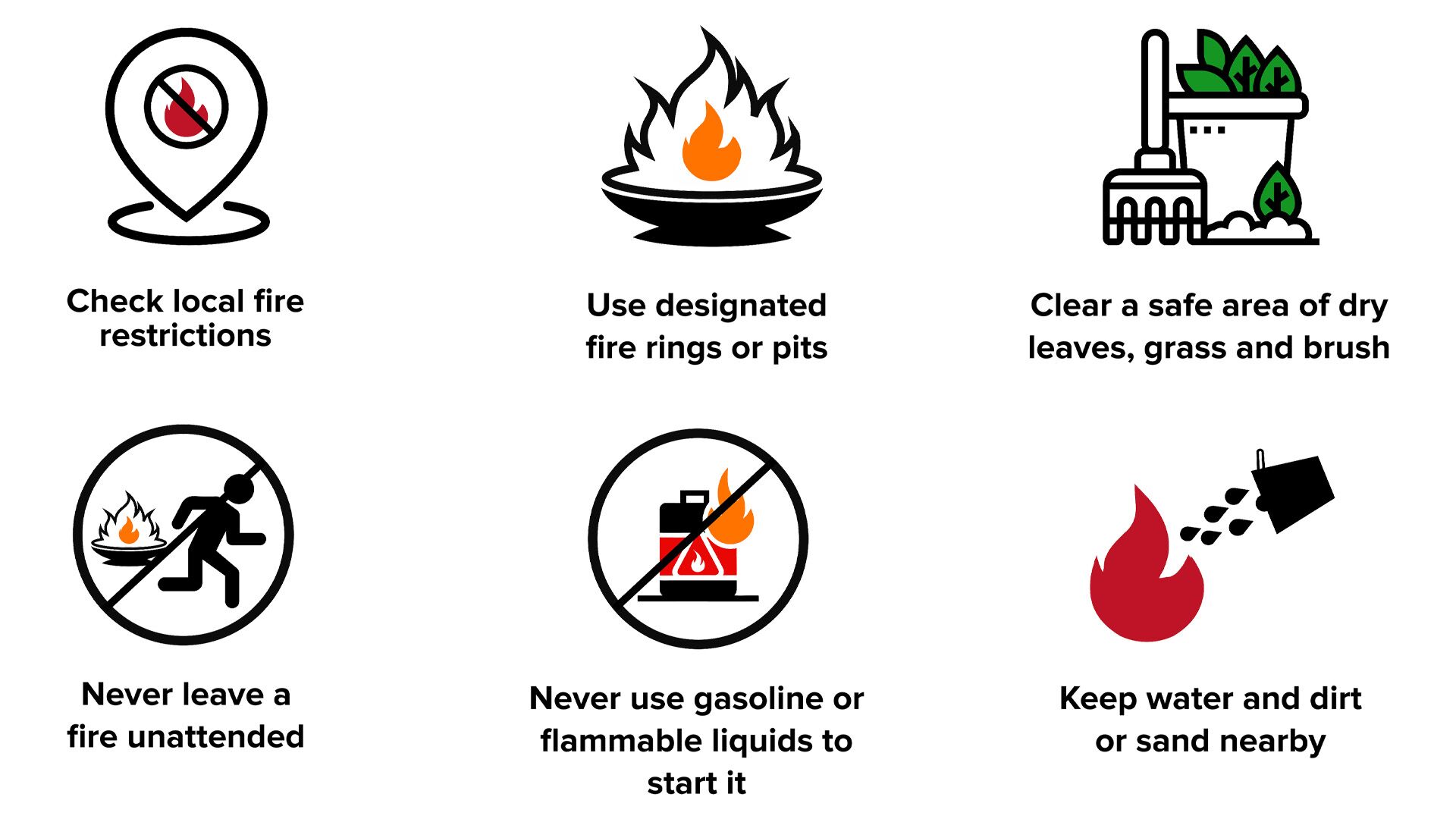
Don’t Rush the Last Part of the Night
The night is winding down and people are starting to yawn. Everyone is so ready to be zipped up in their cozy sleeping bags — and the fire looks out enough to call it a night. Unfortunately, this is where a lot of campfire problems start. A fire that looks out can still be holding heat underneath. Embers can stay hot for hours and reignite long after everyone has gone to bed. If it’s still warm, it’s still a risk. Take the extra minute and finish the job right.
It’s Not Just About the Campfire
Campsites can have more than one safety risk. Things like cooking gear, lanterns and enclosed spaces all deserve the same attention.
- Cook with stoves and lanterns away from tents
- Only use battery-powered equipment inside tents
- Never use fuel-burning devices in enclosed spaces
- Pack a fire extinguisher
Keep the Trip About the Memories
A little prep goes a long way in the great outdoors. And bringing along a fire extinguisher adds an extra layer of readiness. Because the best camping stories should be about what happened around the fire — not because of it.
Related Products
Related Articles
Fire Safety Tips Every Boater Should Know
Out on the water, small issues can turn into big ones fast. Smart move: ensuring a marine-rated fire extinguisher is onboard before leaving the dock.
A Simple Guide to Choosing a Fire Extinguisher
Different fires need different extinguishers. It may sound technical at first, but the basics are actually simple. Understanding them is one of the easiest ways to know you’re prepared.
Grilling Safety Tips for Your Next Cookout
Because the only thing that should be smoking is the food.