Should You Travel With a Carbon Monoxide Detector?
When you’re packing for a trip, you think about the essentials: chargers, toiletries, weather-appropriate clothes. Safety usually feels covered once you’ve locked the door behind you.
Carbon monoxide is likely the last thing on your mind when you’re making a packing list. Because it can be present anywhere fuel-burning equipment is in use — from hotels to vacation rentals — it’s one of those risks that’s easy to overlook while traveling.
At Kidde, we believe peace of mind is one of the most important things you take with you on vacation.1 Follow along for some of our tips on understanding and reducing the risks of carbon monoxide on the road.
Key takeaways
- Carbon monoxide risks don’t stop when you travel. Exposure can occur anywhere fuel-burning systems, vehicles or generators are present.
- Unfamiliar buildings and shared systems can increase risk, especially in multi-unit properties where ventilation, maintenance and alarm placement may vary or be unclear.
- Preparation and early detection matter — from checking for CO and understanding risk factors to bringing a portable detector and knowing what to do if symptoms appear.
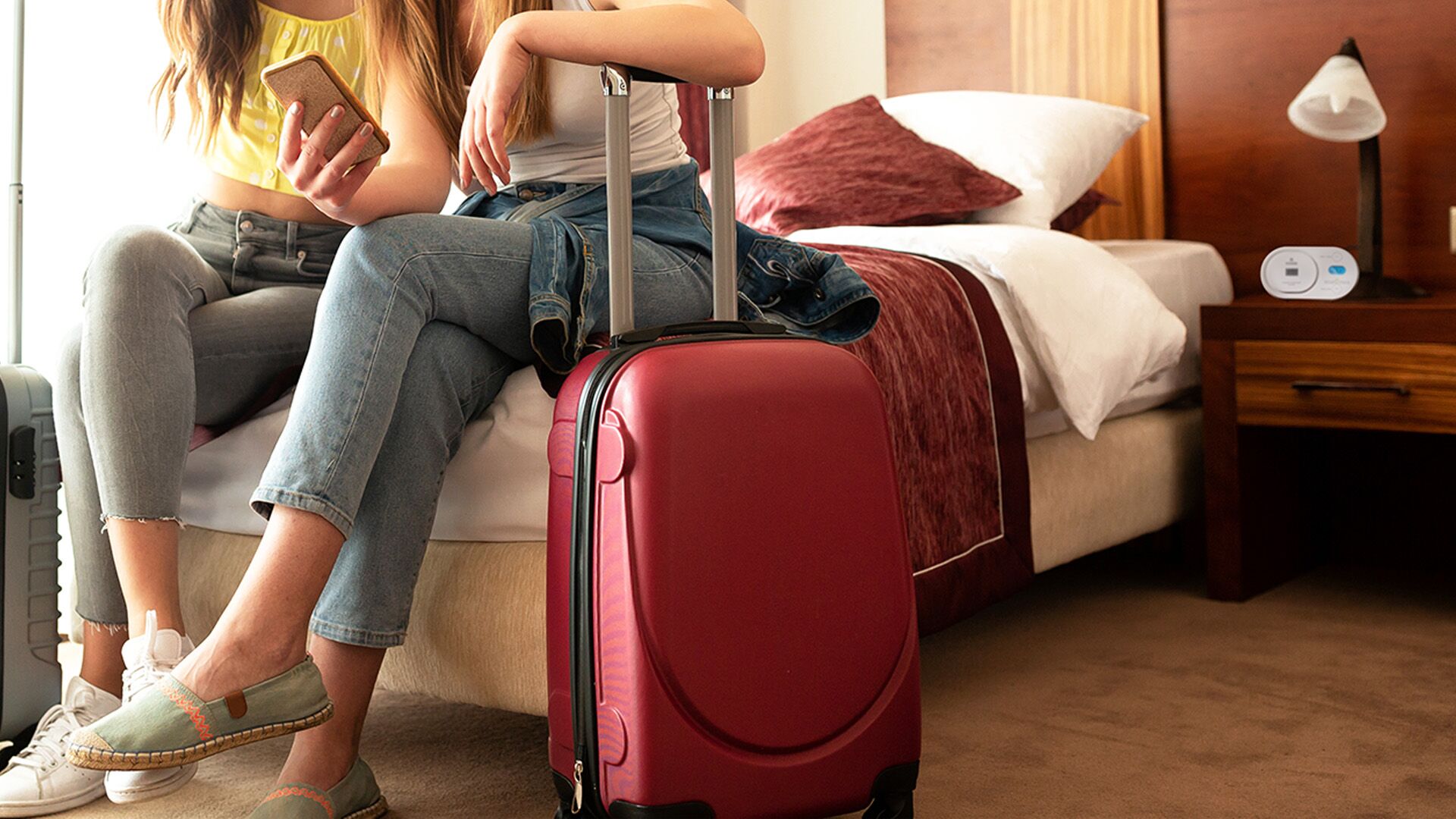
Should you travel with a carbon monoxide detector?
In many cases, yes, especially if you’re staying in places where you don’t know the condition of the building. Traveling with a carbon monoxide detector can provide added awareness when you’re away from the safety systems you rely on at home.1
When you travel, you’re often relying on unfamiliar appliances and building systems, and safety standards and regulations can vary by location. Carbon monoxide alarms may not always be present, clearly visible, or installed where you expect them — especially when thinking about carbon monoxide in hotels and other multi-unit buildings. In these shared spaces, a carbon monoxide issue in one unit or mechanical area can affect neighboring rooms, making early detection especially important.
What carbon monoxide risks are most common when traveling?
Carbon monoxide risks while traveling come from the same sources found at home, but with an added layer of uncertainty. Because you may not know how systems are maintained or shared, it’s helpful to be aware of the most common situations where carbon monoxide exposure can occur.
Fuel-burning systems in hotels and short-term rentals:
Gas furnaces, boilers or water heaters can produce carbon monoxide if they malfunction or aren’t properly ventilated, especially in older buildings or those with shared mechanical systems.
Fireplaces in cabins and vacation homes:
Wood or gas burning fireplaces can create carbon monoxide if the flue isn’t fully open or if chimneys and ventilation points, such as fireplace dampers, are blocked or clogged with debris.
Attached or nearby parking garages
Carbon monoxide from vehicles can seep into rooms above or adjacent to garages, even when cars are turned off shortly after parking.
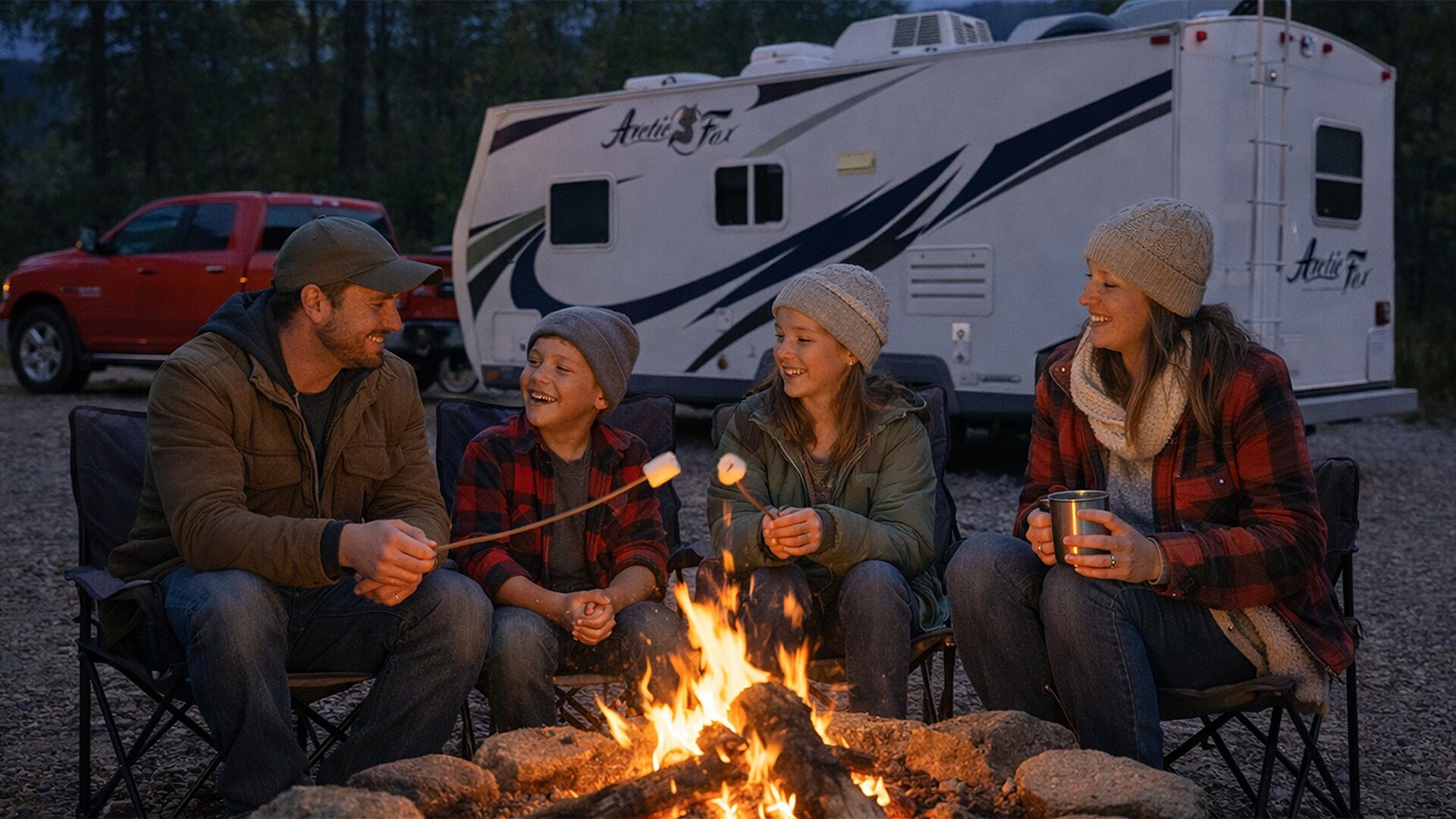
RVs, boats and fuel-powered equipment:
Generators, engines, grills and unvented space heaters can all produce carbon monoxide, particularly in enclosed or poorly ventilated spaces.1
Situations that increase risk
Certain travel conditions can make carbon monoxide exposure more likely. Being aware of these situations can help you take extra precautions.
Cold weather:
Increased use of heating systems, fireplaces and space heaters raises the chance of carbon monoxide buildup if equipment isn’t venting properly.
Storm-related power outages:
Generators and other fuel-powered equipment are often used during outages, sometimes in unsafe locations or too close to buildings.
Poor ventilation:
Older or poorly maintained buildings may have blocked vents, aging appliances, or airflow issues that allow carbon monoxide to accumulate.
Sleeping in enclosed spaces:
Compact spaces can trap carbon monoxide more quickly, especially overnight when occupants are less likely to notice symptoms.
How to reduce risk
Reducing carbon monoxide risk while traveling starts with a little preparation and awareness. Before and during your stay, taking a few simple steps can help you understand what safety measures are in place, and where extra precautions may be helpful.
- Before you book: Look for mentions of carbon monoxide alarms in hotel descriptions or rental listings, and don’t hesitate to ask hosts or property managers about CO detection if it isn’t clearly stated.

- Once you arrive: Identify exits and safety equipment and locate any carbon monoxide alarms in the space so you know where they are and how they sound.
- While you’re traveling: Having a portable, battery-powered carbon monoxide alarm with you can add an extra layer of awareness. Be sure to pack your device carefully to help avoid damage. You may also want to remove the batteries prior to traveling and reinsert them upon arrival. These alarms are for use in conditioned spaces only and should also be tested before use to ensure proper operation.
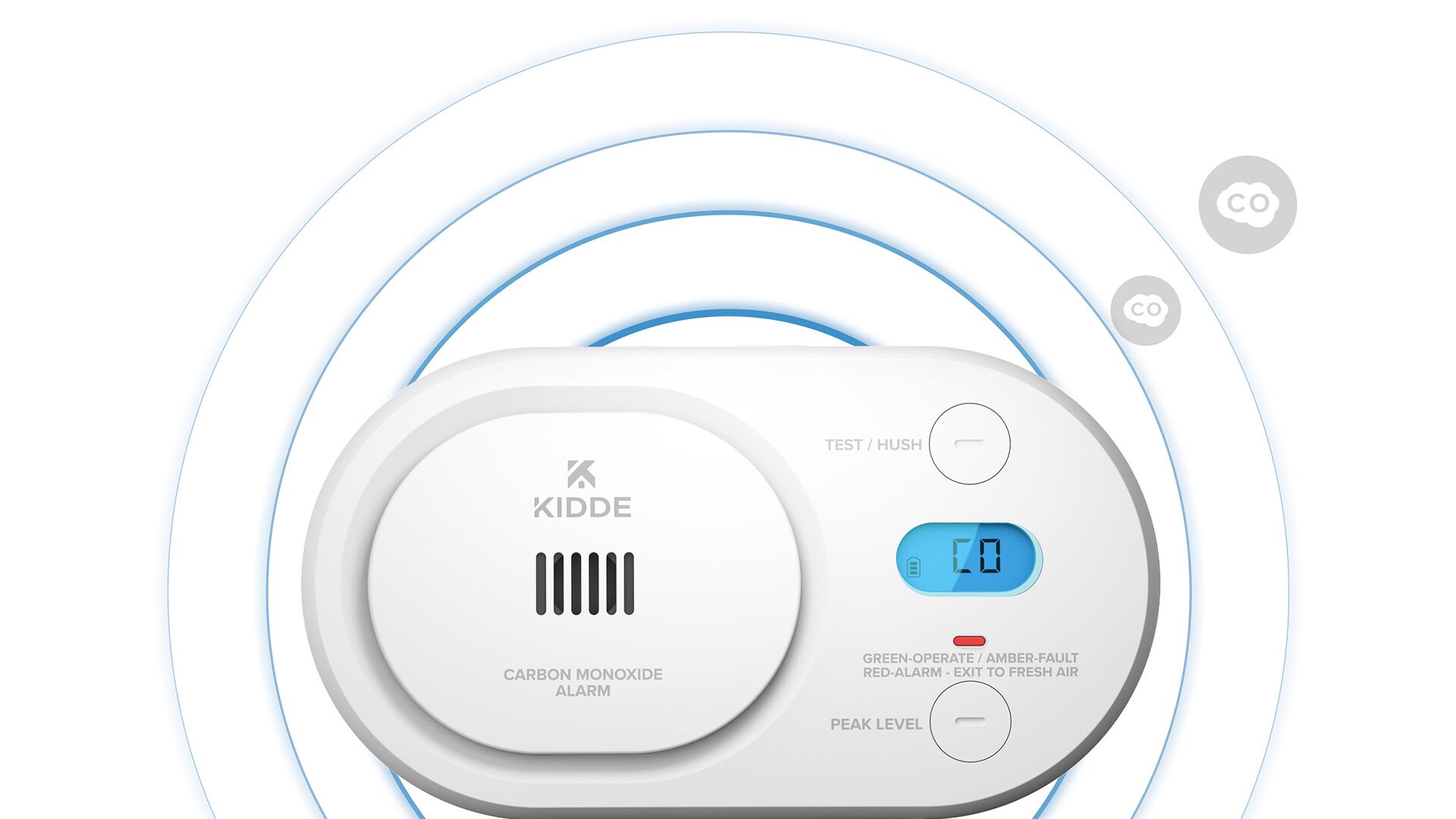
Bringing a travel carbon monoxide detector can add an extra layer of detection when you’re away from home.1 If you choose to travel with a carbon monoxide alarm, look for features such as:
- A clear, loud audible alarm that can be heard while sleeping.
- A digital display that shows carbon monoxide levels in real time.
- Fast sensor response, which helps detect rising or low-level CO before it becomes dangerous.
Having key safety steps in one place can make travel easier. Download our Kidde Travel Safety Checklist for added peace of mind wherever you stay.
What to do if you suspect carbon monoxide exposure while traveling
If you think carbon monoxide may be present while traveling, it’s important to act quickly and deliberately. Because carbon monoxide can’t be seen or smelled, recognizing CO leak symptoms and knowing what steps to take can help protect your health.
- Recognize CO leak symptoms: Early signs may include headache, dizziness, nausea, fatigue, or confusion. These CO leak symptoms can vary from person to person and may feel similar to flu or altitude-related illness.
- Get outside to fresh air immediately: Move everyone, including pets, outdoors as soon as possible. If it can be done quickly, open doors or windows as you leave — but don’t delay getting out.
- Contact building management or emergency services: Once you’re safely outside, notify hotel staff, property management, or call emergency services so the situation can be assessed.
- Seek medical attention if symptoms persist: If symptoms continue, worsen, or affect children, older adults, or pets, seek medical care and let providers know carbon monoxide exposure may be involved.
Related Products
Related Articles
Pet Fire Safety
Protecting your family also means protecting your pets. Learn how to practice pet fire safety in your home.
Where Does Carbon Monoxide Actually Come From?
Carbon monoxide (CO) is like that shady movie villain — lurking around when you least expect it. But where does it come from in the first place? It’s produced during fuel-burning processes, and there are several culprits that could lead to a dangerous buildup in your home.
Carbon Monoxide Comprehensive Guide
Learn more about carbon monoxide and find commonly asked questions about using CO alarms to help protect against this dangerous and potentially deadly gas.
Carbon Monoxide Dangers & Risks
Carbon Monoxide Dangers, carbon monoxide poisoning, carbon monoxide poisoning symptoms, carbon minoxide, carbon monixide, carbonmonoxide
1 Kidde CO alarms are not approved for RV or boat use. Pack carefully to help avoid damage to the device. Remove batteries prior to travel and reinsert upon arrival. For use in conditioned spaces only. Test device before use to ensure proper operation.