What Type of Smoke Alarm Do I Need?
Here’s How to Make a Choice You’ll Feel Confident In.
It’s a normal weekday morning. The scent of French vanilla coffee fills the air … then it’s quickly overpowered by the smell of burnt toast. Everyone’s running late. And the kids can’t find their gym clothes (again). Yet somewhere above all the chaos, a heroic smoke alarm is quietly doing its job — ready to spring into action if anything goes wrong.
Smoke alarms are something you don’t think about until you really need them. But they’re also one of the simplest ways to help protect the people you love. According to the National Fire Protection Association (NFPA), having working smoke alarms doubles your chances of escaping a house fire.1 Pretty impressive for something even smaller than the plate you put out for your toast.
Smoke alarms don't last forever
Most of us couldn’t tell you exactly how old our alarms are. If yours are expired, or you’re completely blanking on when yours were installed, it’s kind of like going around with your phone on 1% battery. It’s there, but it’s definitely not something you want to rely on in an emergency.
And listen, we totally get it — figuring out what to replace them with can feel really confusing and overwhelming. The good news is, Kidde is here to help. Once you understand your options, choosing the right alarm is pretty simple. Let’s take it one step at a time.

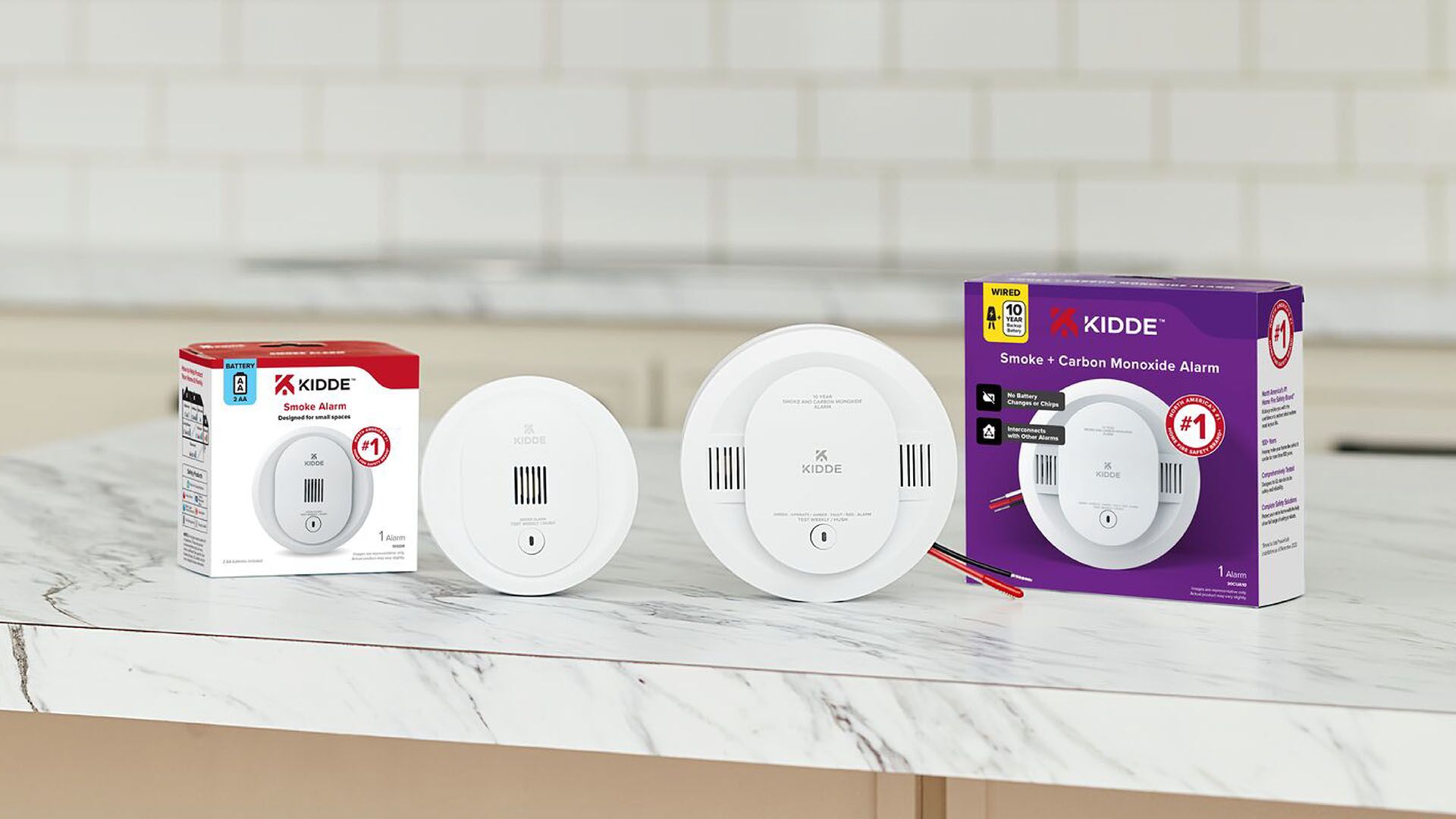
Step 1: Choose Your Detection Type
This is kind of like deciding between a raincoat and an umbrella — both will help keep you dry, but together they give you a little more coverage.
- Smoke alarms - These are the basics that every home needs. They’re for those “something’s burning and it shouldn’t be” moments, like getting distracted while making your famous stir-fry. They warn you as soon as smoke is detected, so you have time to react and get to safety.
- Combination smoke + CO alarms - If you like devices that cover multiple tasks at once, combo alarms that detect both smoke and CO are right up your alley. Carbon monoxide is a dangerous invisible gas, so it’s extremely hard to know it’s there without an alarm.
Step 2: Select Your Power Source
The next question is how you want your alarms to be powered. The easiest way? Look at what you’ve already got.
- If your alarms are hardwired, you’ll want to replace them with hardwired models that connect directly to your home’s electrical system. Most include some sort of backup battery (replaceable AA batteries or a sealed 10-year battery) to keep your alarm working when the power goes out.
- If your alarms are battery-only, you can choose alarms that run on AA batteries that need to be replaced once or twice a year — or upgrade to a 10-year sealed battery that you’ll never have to change (a real bonus if you’re not into climbing ladders).
When it’s time to Install your alarms, Kidde is here to help. Our installation video offer simple steps to guide you through the process.
Step 3: Consider Upgraded Features
Today’s smoke and CO alarms do a lot more than chirp at you from the ceiling. They’re built for real life — busy mornings, afternoon soccer games, binge-watching before bed, and everything in between. Here are a few features worth thinking about:
- 10-year battery - Imagine never having to deal with batteries. No low battery chirps at 3 am. No dragging out that rickety ladder. And no wishing you’d just bought the good batteries for once. Just stress-free, reliable detection, year after year.
- New 10th Edition technology - How annoying is it when your smoke alarm freaks out over nothing? It’s like, relax, I’m just flipping burgers over here! Kidde alarms meet UL 217 10th Edition standards, which means they’re designed to reduce false alarms. That way, you’re less likely to silence or disable them and you’ll still have working detection when it matters most.
- Voice alerts - Imagine being jolted out of a sound sleep by a blaring alarm. Your heart is racing. And you can barely see straight. Then a calm, clear voice cuts through the fog saying, “Fire!” or “Warning, Carbon Monoxide” — you’d know exactly what’s up, right? When seconds matter, voice alerts can make a huge difference.
- Interconnected alarms - You’ve just settled in for a cozy movie night in the basement. The smell of buttery popcorn lingers, and you’re blissfully unaware that a fire is about to make its big debut upstairs. With interconnected alarms, when one sounds, all compatible alarms do2 — so you can be sure the alert will make its way to wherever you are.
- Smart alarms - Whether you’re grabbing a latte at Starbucks, or jetting off to Aruba for the week, these Wi-Fi enabled alarms send instant alerts to your phone if smoke or CO is detected. You can even choose friends and family who’ll get notified too.
- Ring App enabled alarms - Already use Ring? These alarms will fit right in. You’ll get smoke and CO alerts in the same app that tells you who’s at the door. Plus, add the optional Ring subscription with professional smoke & CO monitoring3 for even more peace of mind.
Safety You Can Feel Good About
Choosing the right alarm doesn’t have to be complicated. Whether you love the idea of never changing a battery again — or getting mobile alerts when your pets are home alone — today’s technology makes it easier than ever to help protect what matters most.
At the end of the day, smoke and CO alarms aren’t just boring devices stuck to your ceiling. They’re silent superheroes that have your family’s back, day and night. They can’t fix burnt toast or find missing gym shorts, but they can alert you the moment something’s not right — and that kind of peace of mind is a pretty big deal.

Related Products
Related Articles
Pet Fire Safety
Protecting your family also means protecting your pets. Learn how to practice pet fire safety in your home.
Where Does Carbon Monoxide Actually Come From?
Carbon monoxide (CO) is like that shady movie villain — lurking around when you least expect it. But where does it come from in the first place? It’s produced during fuel-burning processes, and there are several culprits that could lead to a dangerous buildup in your home.
Carbon Monoxide Comprehensive Guide
Learn more about carbon monoxide and find commonly asked questions about using CO alarms to help protect against this dangerous and potentially deadly gas.
Carbon Monoxide Dangers & Risks
Carbon Monoxide Dangers, carbon monoxide poisoning, carbon monoxide poisoning symptoms, carbon minoxide, carbon monixide, carbonmonoxide
1 NFPA.org
2 Different models offer different interconnection options and requirements. Check the User Guide for more info.
3 A compatible Ring subscription is required for 24/7 Smoke and CO Monitoring. Service available within the U.S. (all 50 states, but not U.S. territories). Ring does not own its monitoring center. Smoke and carbon monoxide monitoring is not available for business or commercially zoned addresses. See Ring Alarm licenses at: ring.com/licenses. Additional fees may be required for permits, false alarms, or Alarm Verified Guard Response, depending on your local jurisdiction.