What “Up to Code” Means For Your Home
Let’s make sense of fire safety codes and why they change.
You finally finish your basement. Or you knock down a wall to open up the kitchen. Or maybe you’re selling your house. Suddenly someone’s talking about whether your smoke alarms are up to code and you’re just nodding along thinking, “What even is code?”
Most people don’t think about codes until something suddenly brings them into the conversation, like a renovation or a home inspection. But understanding the basics can make things like projects, alarm upgrades and buying or selling a house, feel a lot less overwhelming — and Kidde’s latest smoke alarm and combination smoke + CO alarm technology can help make those updates simpler.
What Actually is a Fire Safety Code?
Think of them as baseline rules for helping make homes safer. They’re developed by fire safety experts and organizations using research, testing and real-world data about how fires start, spread and impact families.
The rules can vary depending on where you live. On their own, codes aren’t laws. But once a state, county or city adopts them, they become enforceable requirements in that area. And that’s why contractors, inspectors, realtors and electricians pay close attention to code requirements.
The Codes Most Homeowners Run Into
For most peopke, the common types are residential codes that apply to single-family homes and townhomes, and building codes that often apply to apartments, condos and multifamily buildings. These codes help determine what types of alarms are required, where they need to go and when they need replacing. Check your local regulations or contact your local building or fire department for the most up-to-date information.

Why Do They Keep Changing?
Today’s homes are different than they were decades ago. Open floor plans, more electronics and synthetic furniture that burns faster can all change how fires behave and how quickly they spread. In fact, it’s estimated that people today may have 3 minutes or less to escape a home fire.1
As fire safety codes continue to evolve, the goal is always to help improve safety and reduce risks for families. National organizations like the NFPA (National Fire Protection Association) regularly update codes using new testing, data and technology. Then states and local jurisdictions decide which versions to adopt and whether to add their own local requirements.
Things That Can Lead to Alarm Updates
Most people don’t think about fire safety codes on a daily basis. But the good thing is that the signs are usually pretty easy to spot, once you know what to look for.
Renovating or expanding your home
Adding bedrooms, finishing basements or making major updates can mean new alarm requirements.
Buying or selling a home
During inspections or before closing, alarms often need to meet current local code.
Replacing older alarms
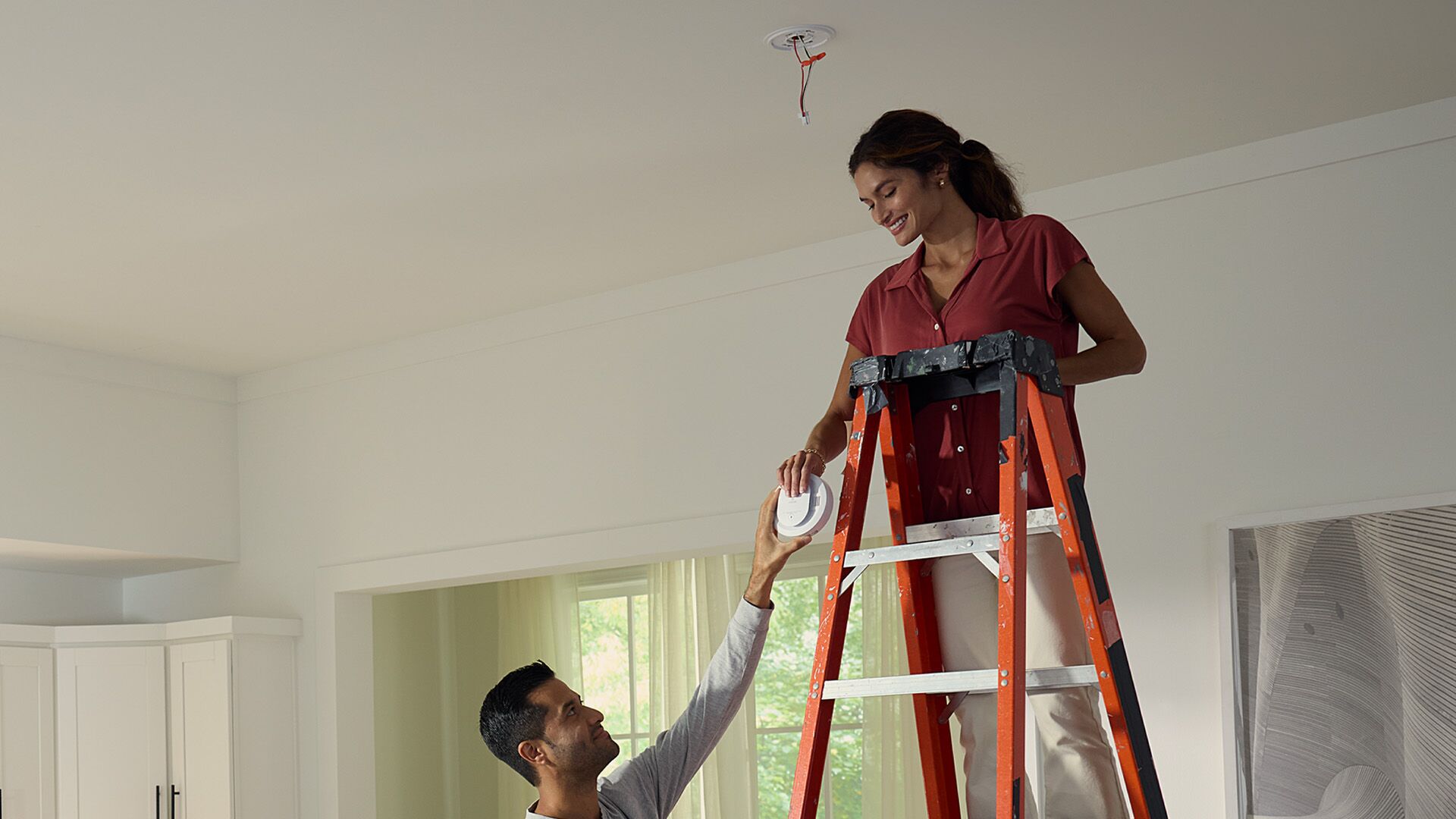
Most smoke alarms should be replaced after 10 years and CO alarms should be replaced according to the product’s end-of-life guidance, typically within 5–10 years. Updating means getting the latest technology that meets current safety standards.
What’s Changing With Today’s Alarms?
Many recent code and product-standard changes have placed more focus on interconnected alarms, nuisance alarm resistance and long-term alarm maintenance — and Kidde offers solutions designed to help homeowners keep up the newest technology and requirements.
Many newer codes now require alarms that talk to each other, so when one sounds, they all sound. So if fire sparks in the basement at 2 am, your upstairs bedrooms get the alert too. And thanks to wire-free interconnect technology, upgrades don’t always require rewiring.2
Some areas require both smoke and carbon monoxide detection, either through separate alarms or combination smoke + CO alarms, depending on local requirements.
Many states have adopted requirements for 10-year sealed-battery smoke alarms in certain applications. They’re designed to provide more reliable detection with no battery changes required along the way.
So What Does All This Mean For You?
Check your local requirements
Fire safety codes vary by state, county and city, so what’s required in one area may not apply somewhere else. If you’re unsure, check with your local Fire Marshal, visit your local fire department or building authority website or take a look at Kidde’s State-by-State Laws & Legislation Guide.
Check the age of your alarms
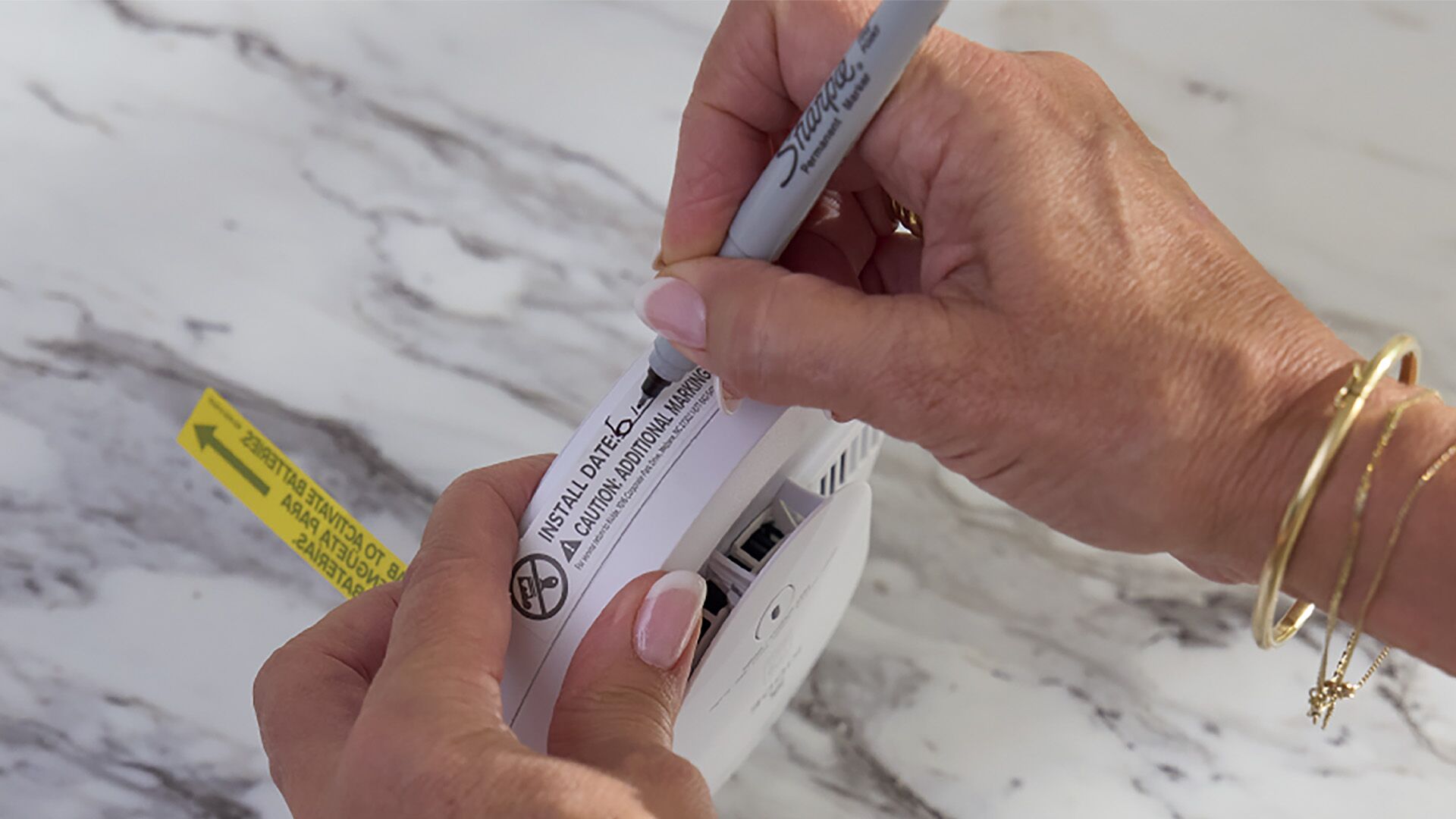
Look for the manufacture date on the back or side of the alarm. If it’s getting close to replacement age, it’s likely time for an upgrade.
Think about what’s changed in your home
Finished basement? New addition? Added gas appliances? Home updates can also change what type of detection makes sense.
Staying Current Doesn’t Have to Be Complicated
Nobody expects you to become a fire safety code expert. The important thing is simply knowing that codes can change — and recognizing the everyday moments when those changes might affect your home.
A few quick check-ins, updated alarms and the right coverage can go a long way — and Kidde’s full home safety lineup has what you need to make it happen. Because keeping your home safer should feel simple and manageable — not like one more overwhelming thing on your to-do list.
Related Products
Related Articles
Time to Replace Your Alarms
Smoke and carbon monoxide (CO) alarms have an expiration date. Smoke sensors lose sensitivity over time, which means they might not respond as quickly — or sometimes, at all.
Why Interconnected Alarms Matter More Than You Think
Interconnected alarms are exactly what they sound like: smoke alarms or combination smoke & carbon monoxide (CO) alarms that link together — so when one detects a problem, they all sound. Instead of each alarm working solo, they're kind of like a home safety super team.
What Type of Smoke Alarm Do I Need?
Smoke alarms are one of the simplest ways to protect your home. Learn the type of alarm you need for early fire detection and escape.
1www.nfpa.org/about-nfpa/press-room/resources-for-breaking-news/deadly-home-fires
2Different models offer different interconnection options and requirements. Check the User Guide for more info.