Where Carbon Monoxide Comes From at Home
Everyday appliances and situations that can create CO.
May 4, 2026
Someone warms up the car in the garage on a cold morning. A furnace kicks on overnight while everyone’s asleep. Or maybe someone used the fireplace, and the flue didn’t quite open all the way. Nothing dramatic. Nothing that feels super dangerous. But carbon monoxide is the kind of danger that shows up quietly. The good thing is that many of these situations are preventable. When you understand where CO comes from, you’re much more likely to catch a problem early — or avoid one altogether.
Where CO Can Show Up
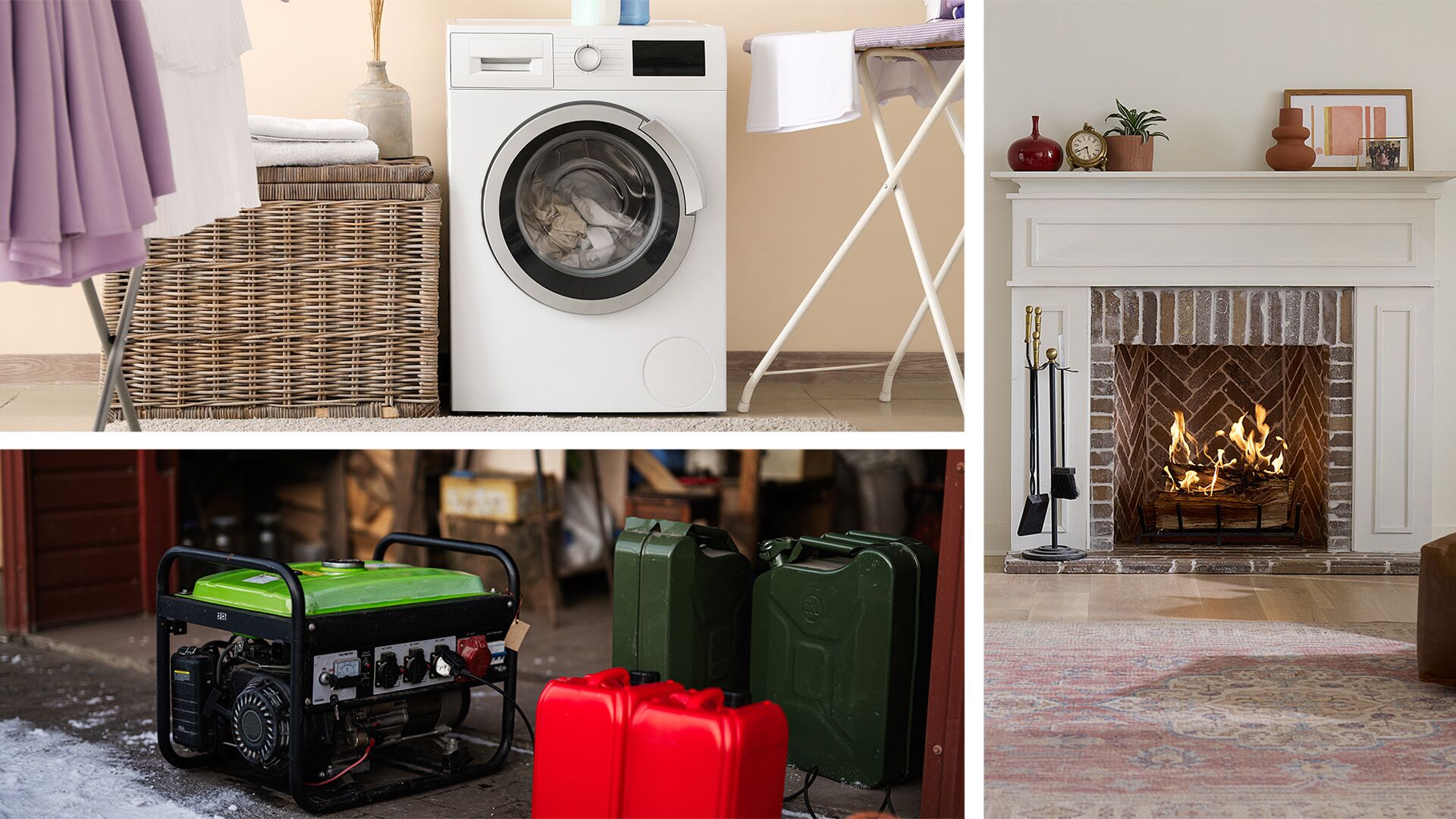
Carbon monoxide doesn’t usually come from something unusual. Most of the time, it’s produced by appliances & equipment you use all the time — especially anything that burns fuel:
- Dryers
- Water heaters, furnaces and boilers
- Fireplaces (wood-burning & gas) and wood stoves
- Gas stoves and ovens
- Motor vehicles and boats
- Grills, camp stoves and fuel-burning lanterns
- Generators
- Power tools and lawn equipment
Proper installation, ventilation and regular maintenance matter. When everything is working the way it should, you can use these things safely.
Easy to Miss Risks
Sometimes CO doesn’t come from the obvious stuff — it’s the small, easily overlooked situations that can cause it to build up.
- Blocked or damaged vents and flues: Leaves, nests, debris or damage can stop gases from venting properly and push them back into your home.
- Using grills or generators near openings: Running them indoors — or even close to doors, windows or the garage — can allow fumes to drift inside.
- Older or poorly maintained appliances: Furnaces, water heaters and other fuel-burning appliances need regular maintenance to keep them running safely.
- Weather-related ventilation issues: Heavy snow, ice or storm debris can block vents outside your home and interfere with proper airflow.
Simple Steps Makes a Big Difference
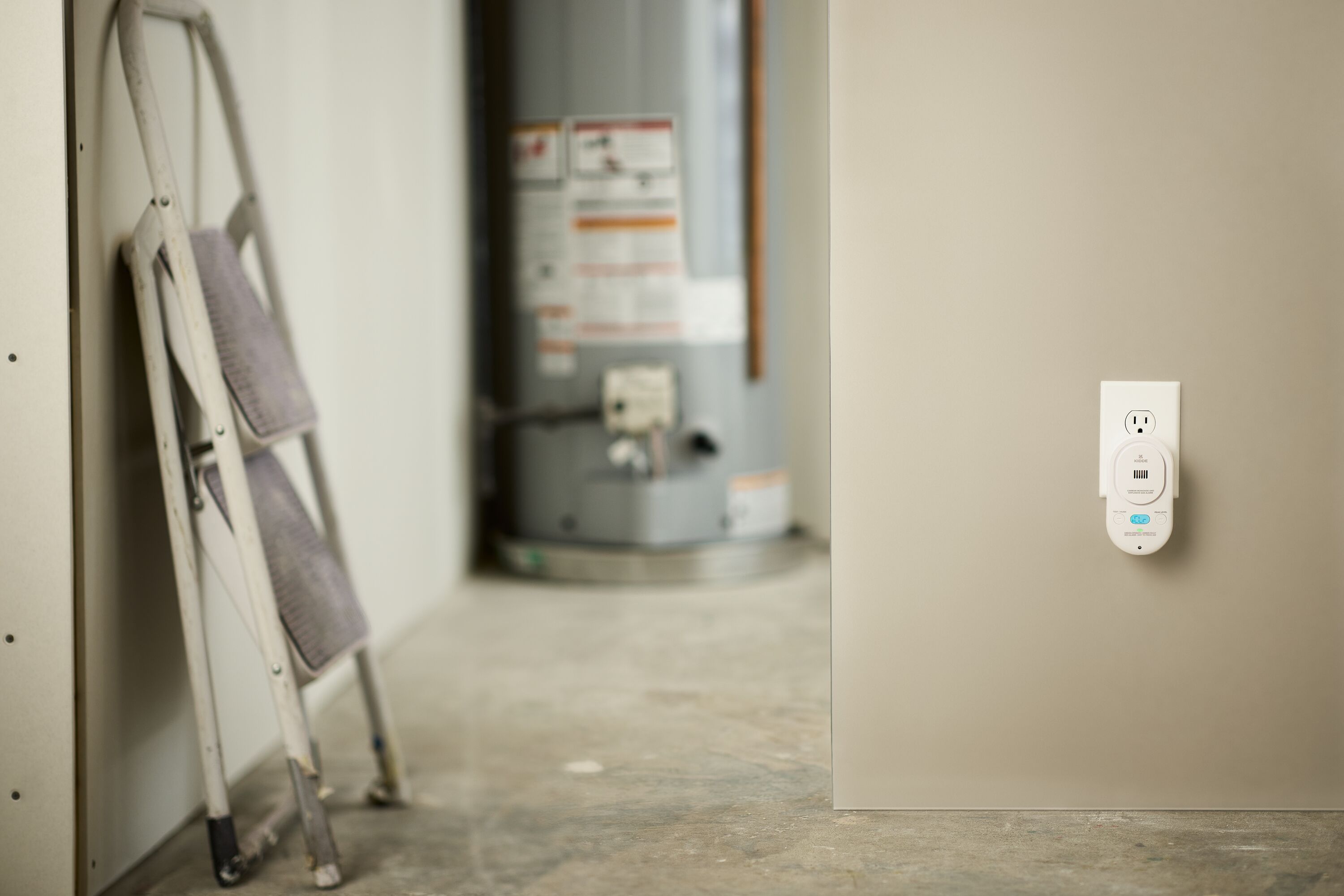
Knowing the sources is the first step. The next is making sure your home is set up to catch carbon monoxide. Installing CO detection on every level of your home and outside sleeping areas is a smart move to help ensure the first sign of CO is an alarm — not symptoms.
Related Products
Related Articles
Should You Travel With a Carbon Monoxide Detector?
Carbon monoxide risks don’t stop when you travel. Learn how to spot risks, check for CO alarms, and protect your family with simple travel safety tips.
What Causes Carbon Monoxide in the Home? Sources, Risks, and Safety Tips
Sources, Risks, and Safety Tips on Carbon Monoxide in the Home
What You Need to Know About Carbon Monoxide in Your Home
Carbon monoxide (CO) is one of those hidden dangers that’s easy to forget about because you can’t see, smell, or taste it. But that’s exactly why it’s so important to understand.
1 NFPA.org